
An Ultimate Guide to Etsy SEO
What is SEO?
SEO stands for Search Engine Optimization which is simply means a way for your people to find you and your products online. If you have great SEO, Etsy are happy and send you lots of lovely traffic so you can make sales. If you have bad SEO, then Etsy are not happy and send you very little in the way of customers.
Therefore, SEO is essential for Etsy success and something you should pay attention to right from the get-go.
Etsy’s Search Ranking
When a customer searches in Etsy, Etsy determines which shops are most relevant and produces a rank list.
Your search ranking will determine where you appear in a search.
Where your shop appears on this rank list depends on multiple factors like:
1. How you use relevant keywords in your title, tags and descriptions
2. That you’ve chosen relevant attributes and categories for your items
3. That you’ve produced high quality listings
4. That customers have a 5-star experience interacting with your shop
5. How recent your items are
Make sure that your shop covers all of these factors and Etsy will reward you by featuring your product on the first page in a search and sending you crowds of customers all desperate to buy what you are selling.
So, let’s unpack each of these factors so that you can see exactly how you can make sure your product appears on the first page in a search.
1. How You Use Tags and Titles
Whatever a customer types into Etsy search needs to match the titles and tags for your product. Long-tail keywords work better in search than individual words.
So, for example “gap year travel planner” will feature higher in a search than listing products with “gap year”, “travel” and “planner” as separate words.
If a phrase or word appears in the title and tags for a listing then it will appear higher in a search.
Words at the beginning of a product’s title are more important than words at the end.
2. Relevant Attributes and Categories
Etsy lets you add attributes to the product listing to give information about things like the colours or uses of your products.
The information from these attributes contributes to the Etsy search too.
So, select as many attributes that are relevant to your product to increase your product’s search ranking.
3. High Quality Listings
Your listing quality is all about how well your products do in a search.
If a customer clicks, favourites, or buys your product after they’ve found it in a search, then this boosts your listing’s quality score.
4. Customer Experience
Etsy want people to have an amazing experience when they buy something so that they keep coming back for more.
To measure a customer’s experience, they take into account your customer reviews and the way your shop looks.
If you have consistent 5-star reviews, a completed About section, and completed shop policies, your placement in a search will be higher.
5. How Recent Your Items Are
New items appear higher in a search than older items. Therefore, if you’ve recently listed an item, this will make it easier to find than an older item.
So when an item in your shop auto-renews, for example after a sale, it will appear at a higher ranking in a further search.
And when you add new items to your shop, these will also experience this recency boost.
Etsy wants shops to continue adding new items and so rewards you for doing so.
Some people manually renew listings as a tactic. Alternatively, you can use an automated service like Etsy On Sale to take advantage of the recency effect.
It costs you to renew each listing, however, so this might be a strategy you only use occasionally.
Etsy Tags and Keywords
When you add a product listing, Etsy asks you to provide 13 tags.
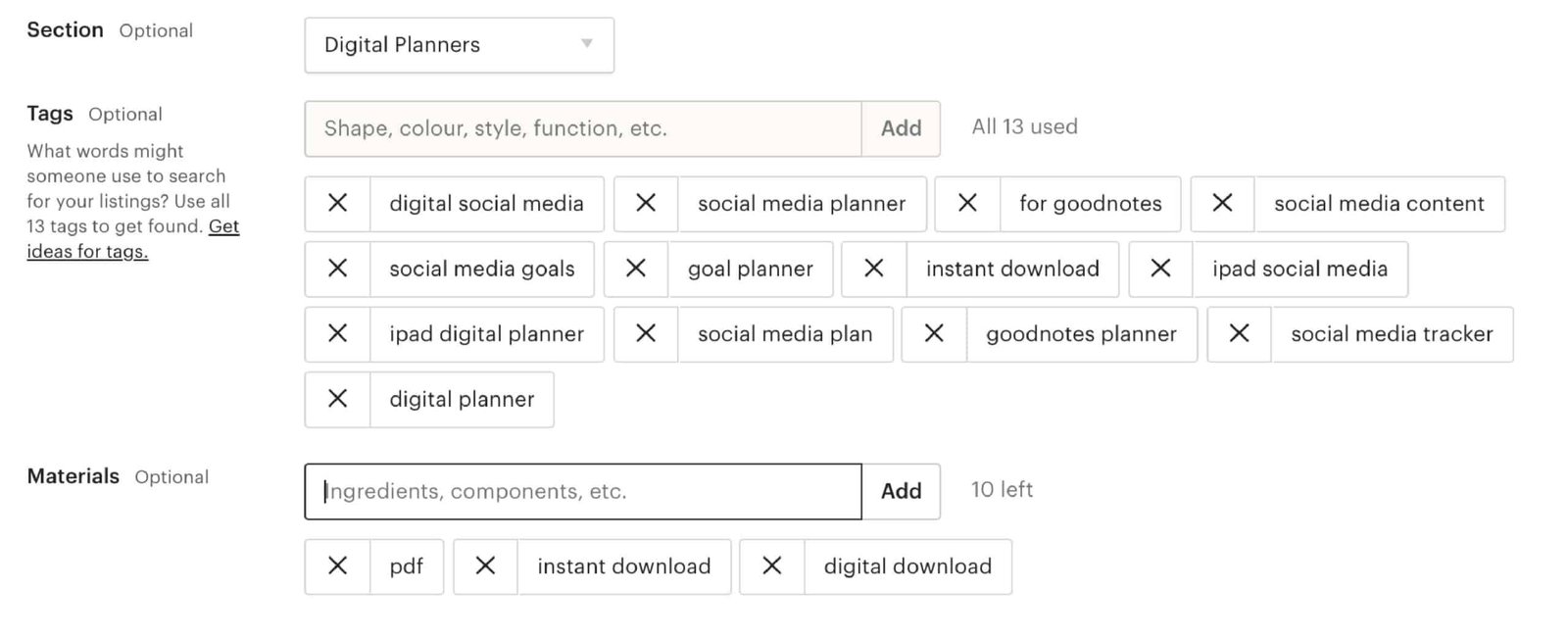
These tags (or keywords) are the words a customer would use if they were searching for your item.
It is very important that you use a strategy for identifying your tags/keywords and don’t just guess or pick them randomly.
You need to do some research and have evidence so that you know the tags/keywords you have chosen will be effective for showing up in an Etsy search.
In this lesson we will look at the types of tags you should be using to help you show up on the first page of an Etsy search.
So, let’s get started…
What Keywords Should You Use?
Each keyword must describe your product exactly and avoid using any complex tags or correct jargon.
When customers search, they use broad, generic terms and simple language.
You need to ask yourself, what would my customer search for if looking for a product like mine?
Use the same words your customer would.
Use different focus keywords for similar products.
If you repeat the same keywords for similar products, your items are competing with each other.
Different customers search in different ways.
You want to make sure as many people see your items as possible.
Altering the words you use helps to attract this larger audience.
Plus, with a wider range of keywords, your products are more diverse.
If one keyword suddenly stopped trending or being searched for, you still have the other keywords to drive traffic to your shop.
Use a Focus Keyword Strategy
As mentioned at the beginning of this lesson, Etsy allows you to choose 13 tags (keywords).
From these you need to choose one focus keyword that you repeat all over your listing.
You’ll put this word at the beginning of your title, in your tags, and throughout your description.
You need to choose one word or phrase to describe your product that you repeat all over the place in your title, tags and description.
And the tag that you choose must describe your product exactly using words that customers would search for.
Be Accurate With Your Keywords
If over time, customers click on a particular item of yours and then don’t buy it, this tells Etsy that your item is not a good match for that keyword.
Etsy will notice and log this and then stop ranking you highly for this keyword.
That is, Etsy will send fewer people your way when they type in your keyword.
But, if Etsy finds people searching for your keyword and people then go on to buy your item, Etsy will rank your item highly for the keyword.
For example, let’s say you were using the keyword phrase, “anxiety coping cards” and lots of customers clicked on it but no-one bought the kit, then your product would appear lower and lower down a search for this keyword.
However, if a customer searched for “anxiety coping cards” and bought your item, your product would appear higher in the search next time.
So, the key takeaway is be accurate with your choice of keywords.
Be Specific When Choosing Your Keyword Phrases
For example, rather than just choosing “meditation journal” use “blush pink printable meditation journal”.
Etsy want to make sure that customers are getting exactly what they search for and if you help with this then Etsy will reward you.
Explain exactly what your product is and who would use it.
Use all of the attributes and occasions options that Etsy give you to make sure your customers are crystal clear about what they are buying.
If you don’t perfect your tags and titles then an otherwise amazing shop with awesome products, can fail at showing up in an Etsy search.
How to Find Successful Keywords
Etsy Search Bar
Let’s say I want to find some keywords for this product:
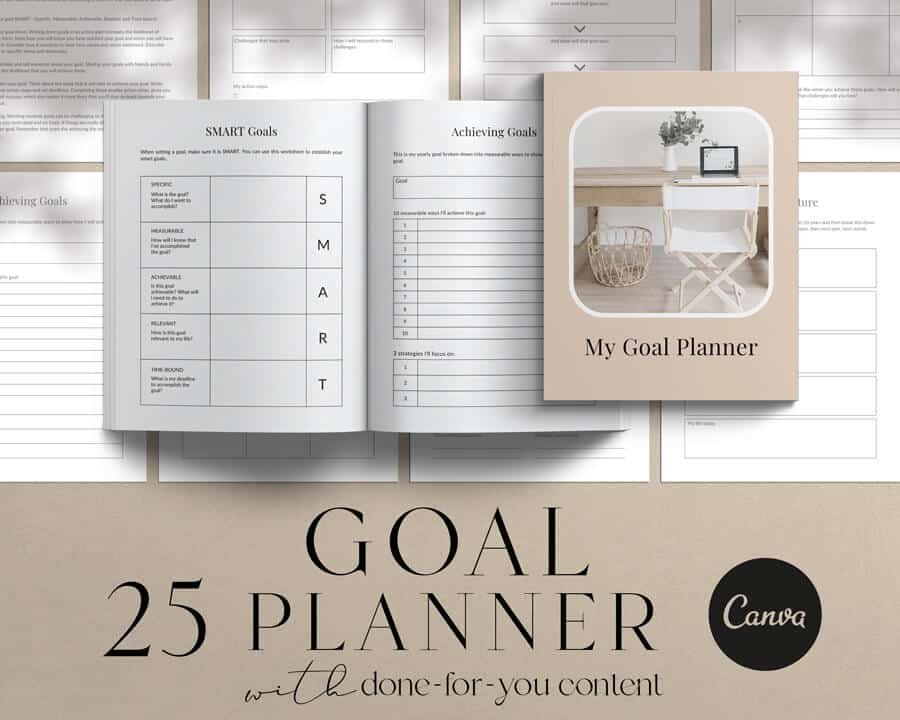
One of the first things I can do is go to the Etsy search bar.
Type in your broad main keyword and look at the drop-down list of suggestions that Etsy provides.
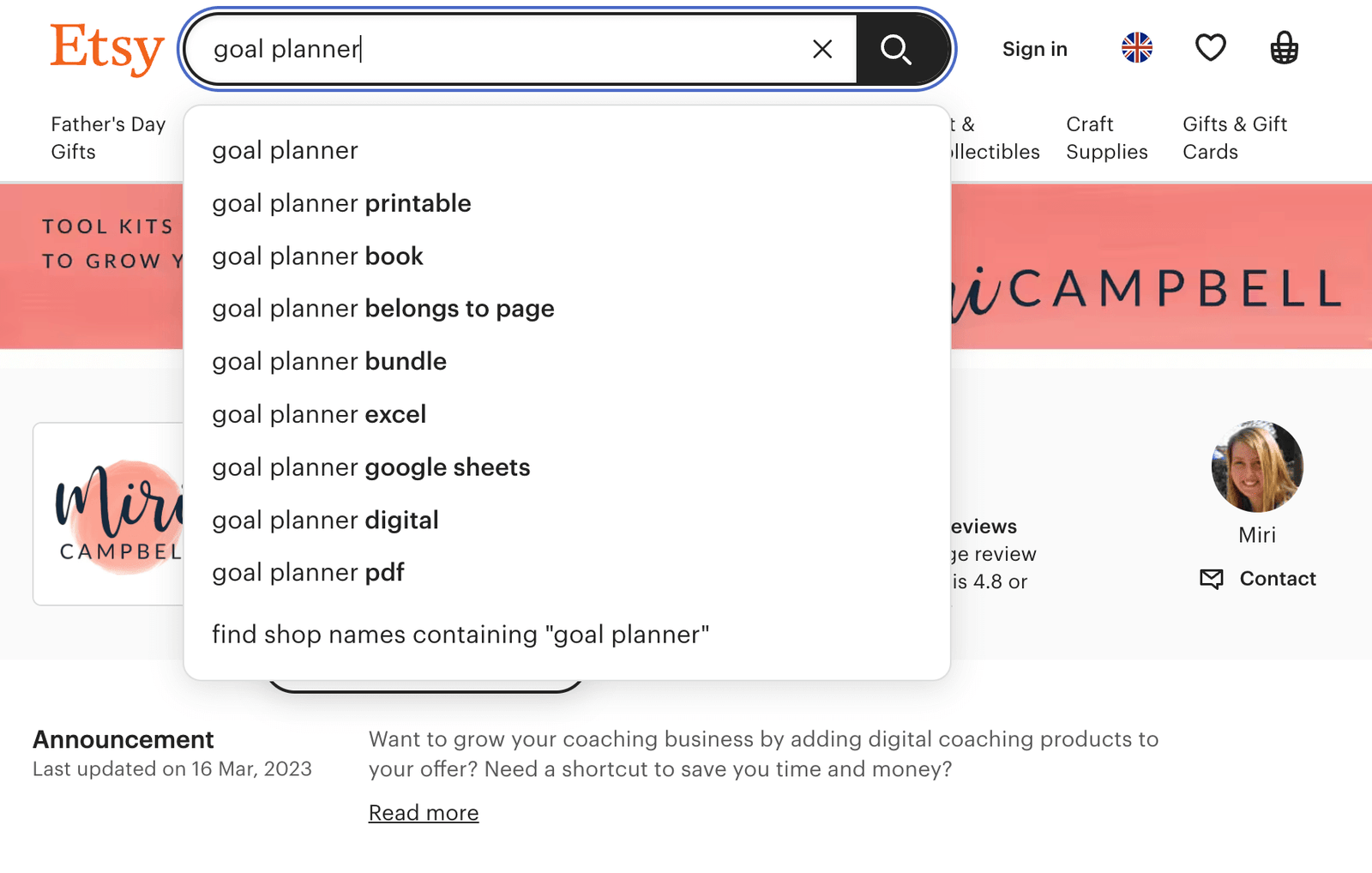
If I type in the broad term “goal planner”, Etsy then gives me a drop down of popular related searches.
I can then use any of these as keywords.
However, one major disadvantage of this method is that there are no data attached to these keywords – I don’t know how competitive they are or how many people are searching for them.
Therefore, I suggest you only take these words as a starting point and then enter them into other keyword finding tools to get more information about how effective they are as keywords.
eRank
eRank allows you to plug in a search term and find all of the other searches related to it.
For example, this is what I got when I typed in “goal planners“.
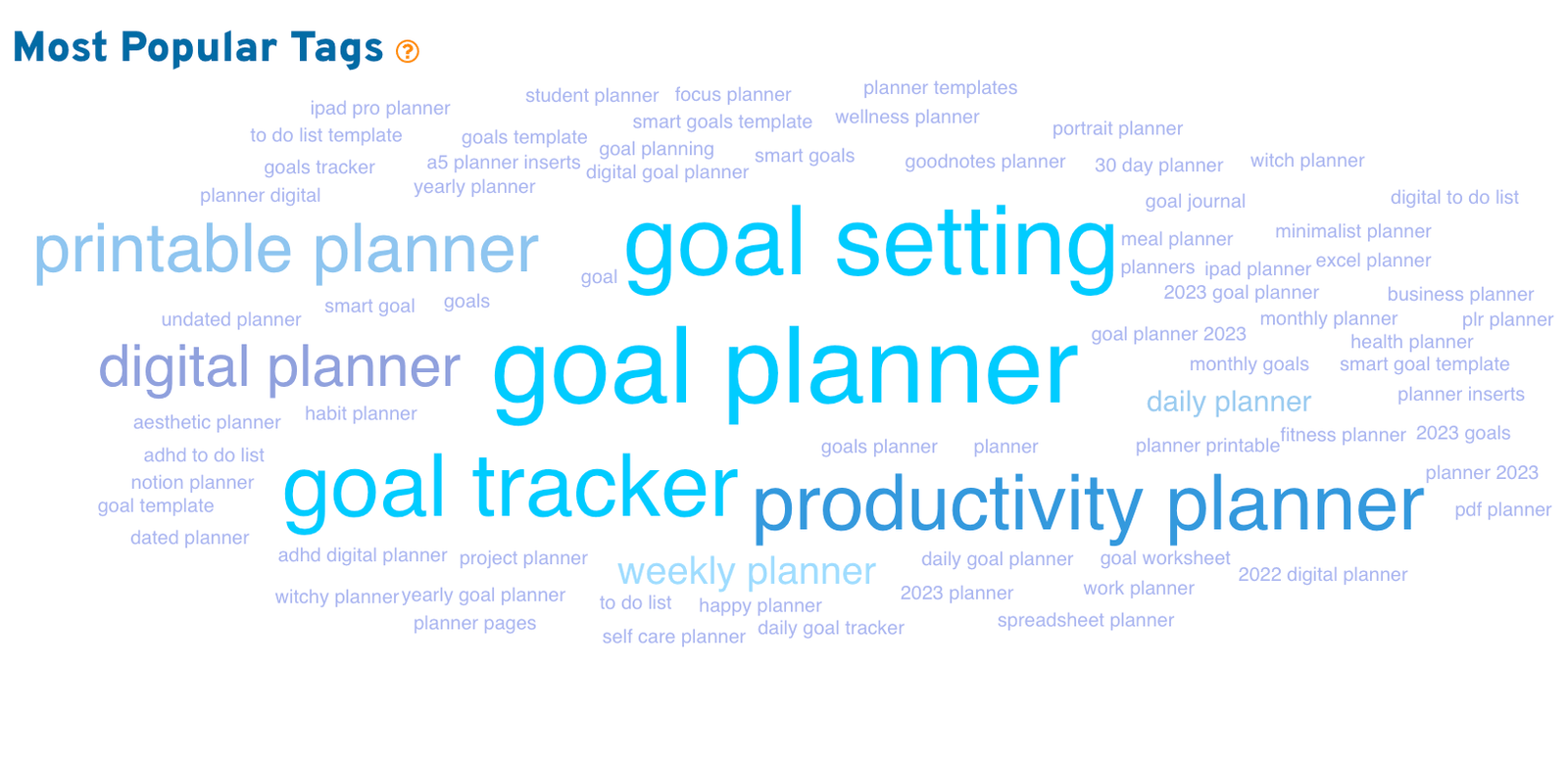
The larger the word, the higher the number of searches for it. This is a goldmine for finding keywords.
It then gives you a table that shows you how much competition there is on Etsy for each search phrase. You can probably see that you would want to avoid the phrase goal planner as it has so much competition and instead choose a focus keyword phrase such as goal journal
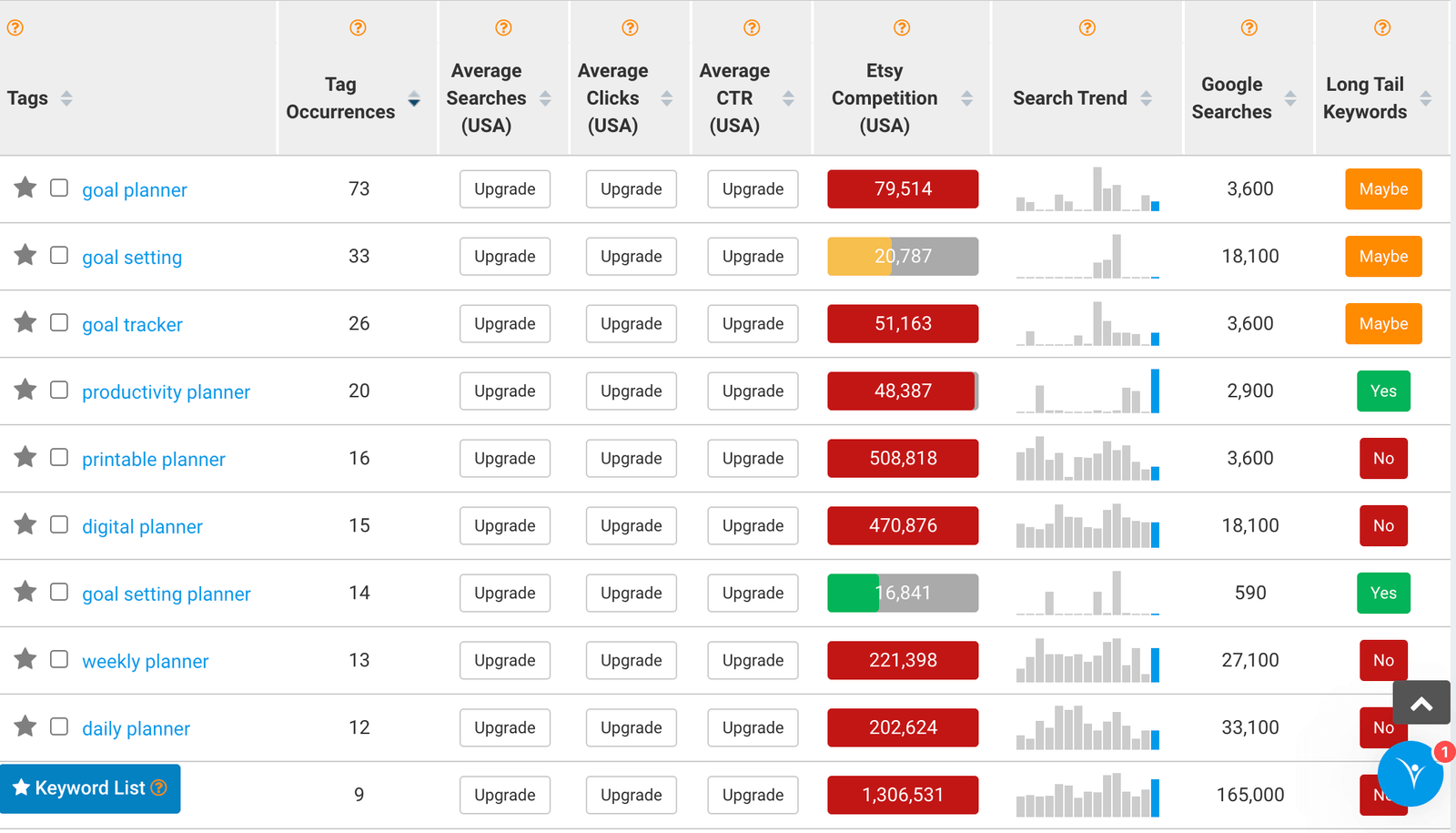
To see the numbers of people searching for each item you need to pay for a subscription. However, even in the free version, eRank is still a valuable tool for finding tags and keywords for your products.
Marmalead
The tool that I use for finding keywords for my shops is Marmalead.
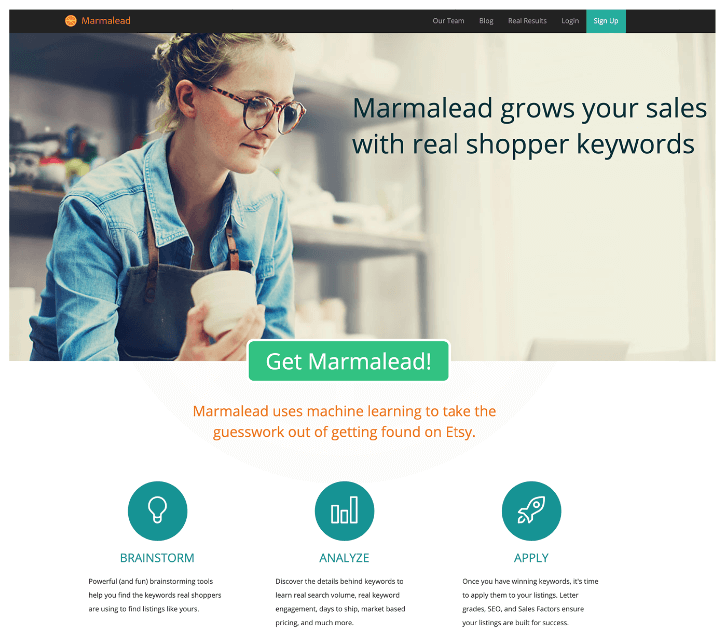
Marmalead is one of the best toolsyou can use to find keywords for your Etsy SEO.
It is specifically set up for Etsy sellers and takes all of the guesswork out of choosing effective keywords that drive traffic to your shop.
Marmalead uses data to help you to:
- choose 13 tags that are proven to be the words buyers use
- shows you what is trending on Etsy
- it allows you to compare effectiveness of different keywords
- tells you exactly what you need to do to fix your listings to rank well on Etsy
You do need to pay for Marmalead but I do believe it’s worth it. (By the way, I don’t have any affiliate links with Marmalead, so this is a completely genuine recommendation. I just wanted to share with you the tool I use every day to keep on top of my SEO.)
Where to Place Keywords
When you have a list of researched keywords then the next step is to position them in your Etsy listing to have maximum impact. The Etsy Handbook also has lots of valuable advice on how to use and place keywords. You can read more here.
Here are the best spots to place your keywords to get ranked by Etsy:
1. Title
Include a short but clear descriptive title using all 140 characters.

Use the focus keyword phrase at the very beginning followed by other keywords. This makes it crystal clear to shoppers what you’re selling.
The first 40 characters of your title are the most important. In a search this is the only part of the title that will appear.
The rest will only be visible if the customer clicks on your listing. So, make the first 40 characters count and use your most relevant keywords here.
When you fill your title with your chosen keywords, you need to make sure it makes sense.
Etsy loves well-crafted, easy-to-read titles that describe your items fully. Therefore, aim to separate keyword phrases with punctuation so that your titles are readable.
Also, Etsy doesn’t like words repeated in titles, so try not to do this.
2. Tags
Etsy tags are the primary location to place keywords. They help to match a customer’s query with your product.
You can add up to 13 tags for each listing and each tag can be up to 20 characters.
Take the keywords directly from your title and include these as tags.
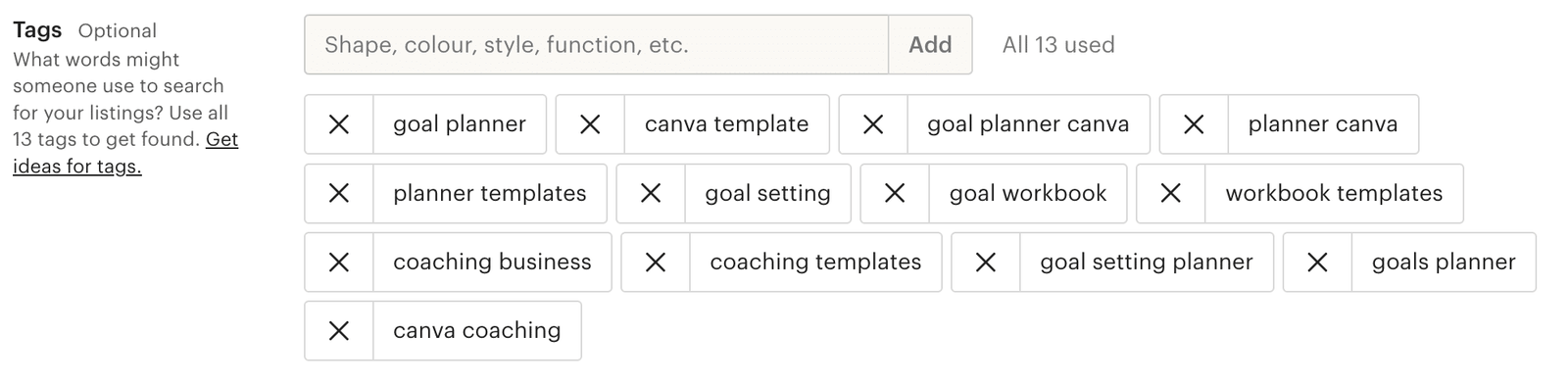
If keywords are too long, then split them into two tags and place next to each other.
If you have any other tags left over, use other words that your customer would use to search for your product.
Etsy’s advice is to be as specific as possible when choosing your tags. Therefore, choose the exact wording shoppers would type into a search to find your item.
For example, someone looking for a printable goal planner is likely to be specific with their search terms and type in “smart goals printable planner” instead of just “planner”.
Get used to studying key performance indicators in the Stats section of your Etsy shop. Etsy has a great article about this here. Commit to updating any tags that are not driving traffic.
Aim to use different tags for similar items. By diversifying your tags, you can get your listings in front of more customers and your items won’t be competing with each other.
Don’t waste tags to include plurals of keywords. When a customer enters a search term, Etsy looks at the root of the word and matches with any similar root words in your tags.
3. Product Description
Again, as for the product title, aim to use your focus keyword in the beginning of your description.
This description should be engaging, written in natural easy-to-read language. It must include everything the shopper needs to know such as what the item is, how to order, shop policies, and returns. Here are step by step instructions on how to write an Etsy product description.
When your customer is fully informed about your product, they’re more likely to buy.
Note that Google uses the first 155 – 160 characters of your product description for your meta-description (a snippet providing a summary of your item that appears in Google search results).
So, to make the most of this include your focus keyword, a short description of the item followed with a call to action in the first 155 – 160 characters.
Optimize for on-page SEO by including all of your 13 tag keywords in natural sounding sentences in your description.
Try not to stuff these tag keywords unnaturally and avoid listing all of your 13 tags at the beginning of your description in one long line separated by commas.
Google and Etsy both dislike unnatural keyword use as it can be very confusing for customers.
Instead, include your tags as naturally as possible in sentences and this will help you to rank higher in search results when a buyer searches for one of your tags.
Additionally, somewhere in your listing provide links to similar products or back to your shop home page.
Adding these links will help to increase engagement and click through rates for your shop and raise the chance of making multiple sales.
Refer to the lesson Writing a Product Description for more guidance on what to include in your product description.
4. Etsy Shop Title
The shop title is the section of text below your shop name.
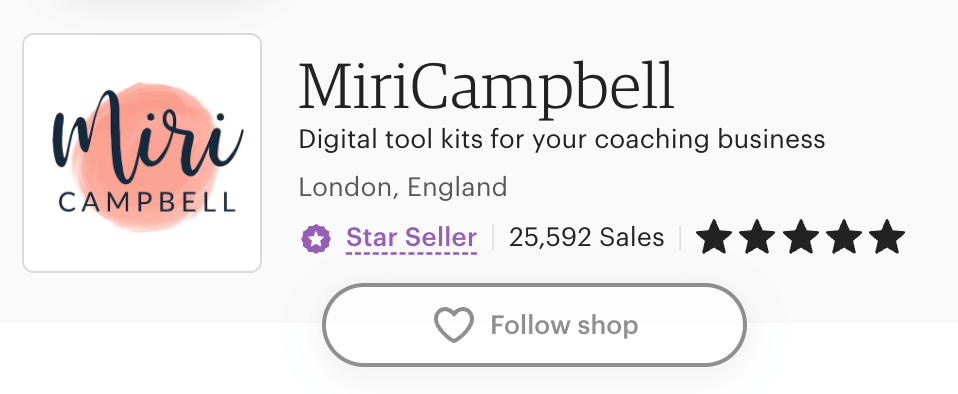
Use your main keywords to describe your shop and the service you offer in the shop title.
The Etsy shop title can be up to 55 characters long so make it concise and clear.
Then, take these keywords and use them in any relevant shop product descriptions to help your external search ranking.
5. Etsy Shop Sections
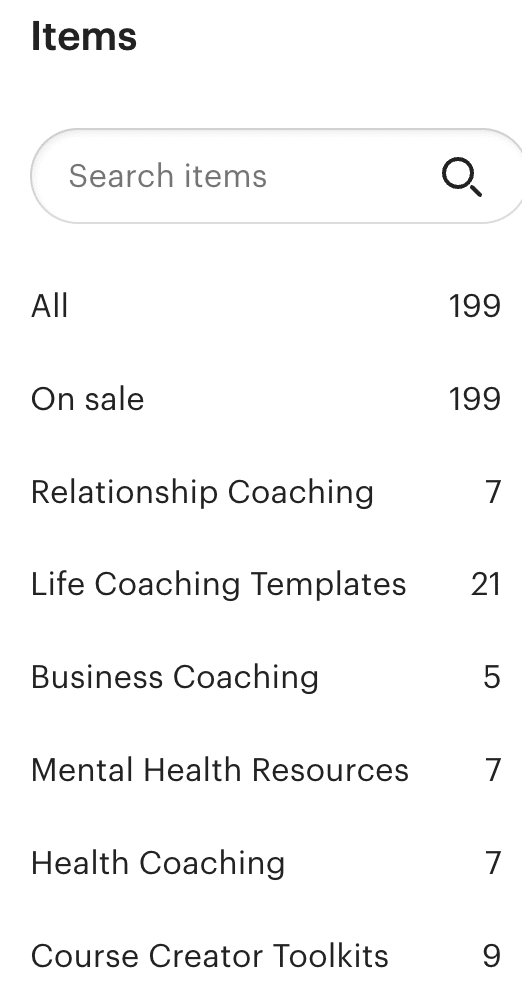
Your shop sections help customers navigate around your shop and are also a prime place to put keywords to boost your SEO.
Make sure you are accurately describing these sections using words your customers would use.
You can have up to 20 custom sections, and each section name can be up to 24 characters.
6. Etsy Shop Announcement
Google loves fresh content and your Etsy Shop Announcement is where you can provide this fresh information. The fact that Etsy labels this as an “announcement” and includes the date it was last updated, implies that this section of your shop needs to be updated regularly.
So, what can you write here? Anything positive and upbeat about your shop so that your customers like what they see and stick around to browse through all the products in your shop.
Make this announcement all about your customer. Explain what you can do for them. Make it clear you understand their problems and you can provide the solution for them with your products and services.
And craft your long-tail keywords naturally into your text.
Feeling confident about what keywords to use and where to place them?
Great, now you’re ready to write a product description in the next lesson that will convert all visitors to your shop into customers.
Workbook Exercise
Module 5: Lesson 1
Create a bank of long-tail keywords for your coaching digital product.