How to Create a Coaching Workbook Your Clients Will Use
A coaching workbook gives your clients a place to reflect, answer questions, complete exercises and put what you discuss in your coaching sessions into practice.
It can support your 1:1 coaching, form part of a group program, accompany a workshop or course, or become a resource your clients work through between sessions.
But what should you put inside?
In this guide, I’ll show you how to create a coaching workbook, what to include and how to choose exercises that support the transformation you’re helping your clients achieve.
What Is a Coaching Workbook?
A coaching workbook is a collection of activities and action steps designed to help a client explore a particular topic.
Your client might complete an assessment, answer reflection questions, identify their values, set a goal, explore their thoughts, make a decision, plan an action or track their progress.
Why Use a Coaching Workbook With Your Clients?
You might use a coaching workbook to prepare for a session, guide part of the session itself or give your client something to complete afterwards.
You can also use them as part of:
- 1:1 coaching
- group coaching
- coaching programs
- workshops
- courses
- memberships
- coaching packages
For example, if you regularly help clients explore their values, you could create a values workbook rather than starting the process from the beginning each time.
If you help clients set goals, you could have a goal-setting workbook containing your favourite questions, exercises and planning tools.
If you run a 12-week coaching program, you could create a workbook that follows the whole program from the first session to the last.
Your workbook becomes part of the way you deliver your coaching.

What Should Be Included in a Coaching Workbook?
The coaching workbook content should depend on what you want it to help your client achieve.
However, most will contain a mixture of the following.
1. A Short Introduction
Tell your client what the workbook will help them explore and how to use it.
2. Reflection Questions
Good coaching questions give clients space to think about their own experiences, ideas, choices and next steps.
For example:
- What would you like to be different?
- What matters most to you about this?
- What is already working well?
- What have you learned from similar situations?
- What options are available to you?
- What would you like to try next?
3. Exercises
Exercises give clients another way to explore a topic.
This might include:
- Wheel of Life exercises
- values activities
- strengths exercises
- goal-setting activities
- journaling prompts
- confidence exercises
- decision-making tools
- habit trackers
- thought records
- action planners
- progress reviews
- visualisation exercises
4. Space to Write and Reflect
If you’re asking a question that needs some thought, give your client enough space to answer it.
Think about what your client needs to do on each page and design the page around that.
5. Action Planning
Your workbook can help clients decide what they want to do with what they’ve discovered.
You could ask:
- What will you do next?
- What is the first step?
- When will you do it?
- What could help you follow through?
- How will you know you’ve completed it?
6. Progress and Review
If your coaching workbook will be used over several sessions or weeks, include opportunities to review progress.
Ask clients what they have tried, what they have noticed, what they have learned and what they want to focus on next.
How to Create a Coaching Workbook
Once you know what a coaching workbook can contain, you can start creating your own.
Here’s a simple process you can follow.
1. Decide What You Will Help Your Client Achieve
Start with the outcome.
Complete this sentence:
By the end of this coaching workbook, my client will have…
For example:
By the end of this coaching workbook, my client will have identified their most important values and explored how they can bring more of them into their everyday life.
2. Map Out the Journey
Next, think about what needs to happen between the first page and the outcome.
Imagine you’re creating a confidence workbook.
Your client might need to:
- Explore what confidence means to them.
- Recognise where they already feel confident.
- Identify their strengths and past successes.
- Notice thoughts that affect their confidence.
- Explore different ways of responding.
- Choose small actions they want to take.
- Review what happens.
3. Choose the Right Coaching Exercises
Now you can decide which coaching exercises will help at each stage.
Start with what you want the client to discover or do.
4. Add Coaching Questions
Think about the questions you would ask if you were working through the topic with your client.
Those questions can become prompts throughout your workbook.
For example, if you were creating a values exercise, you could ask:
- Which values feel most important to you?
- Where are these values already present in your life?
- Which value would you like to give more attention to?
- What would living more in line with this value look like?
- What is one thing you could do this week
5. Give Every Exercise a Next Step
When your client finishes an exercise, think about what happens next.
A simple question such as:
- What will you do with what you’ve discovered?
can connect an exercise with the next part of the coaching process.
6. Keep Your Coaching Workbook Simple
Use clear headings, simple instructions and plenty of space to write.
Break larger exercises into manageable steps.
7. Design Your Coaching Workbook
Once you’ve created the content, you can start designing your workbook.
Canva is an easy option because you can create layouts for different types of pages and reuse them throughout your workbook.
Keep your fonts, colours and page layouts consistent so the workbook is easy to follow.

Coaching Workbook Examples
One of the easiest ways to come up with an idea for a workbook is to think about the areas you already help clients with.
Here are some examples.
Confidence Workbook
A confidence workbook could include strengths exercises, confidence ratings, reflection on previous successes, self-talk activities and small confidence-building actions.
Goal-Setting Workbook
A goal-setting workbook could help clients decide what they want, explore why it matters, create a clear goal, identify possible barriers and plan their next steps.
Self-Discovery Workbook
A self-discovery workbook could include exercises around values, strengths, interests, priorities, identity and future direction.
Relationship Workbook
A relationship workbook could explore communication, needs, boundaries, relationship patterns and different ways of responding to situations.
Stress Management Workbook
A stress management workbook could help clients identify stress triggers, notice their responses, explore coping strategies and create their own stress management plan.
Health Coaching Workbook
A health coaching workbook could explore habits, routines, sleep, movement, wellbeing goals and changes the client wants to introduce.
Career Coaching Workbook
A career coaching workbook could include strengths, skills, values, career priorities, possible options, decision-making exercises and an action plan.
Life Coaching Workbook
A life coaching workbook can cover several areas of a client’s life rather than one specific topic.
Should You Use a Coaching Workbook Template?
A coaching workbook template can make creating your workbook much faster.
You can create or use a set of layouts for questions, exercises, trackers and action plans.
You can then reuse those layouts whenever you create a new resource.
Start with the content rather than the design.
Decide what your client needs to explore first.
Then use your coaching workbook template to turn those ideas into pages they can work through.

Coaching Workbook vs Coaching Worksheet: What’s the Difference?
A coaching worksheet normally focuses on one activity.
For example, you might have a values worksheet, goal-setting worksheet, confidence exercise or habit tracker.
A coaching workbook brings several related activities together.
For example, a goal-setting coaching workbook might contain:
- a goal exploration exercise
- reflection questions
- a goal-setting worksheet
- an action planner
- a progress tracker
- a review exercise
You can use individual coaching worksheets during sessions or bring several together to create a complete workbook.
Your content goes here. Edit or remove this text inline or in the module Content settings. You can also style every aspect of this content in the module Design settings and even apply custom CSS to this text in the module Advanced settings.
Ready-Made Coaching Workbooks, Worksheets and Exercises
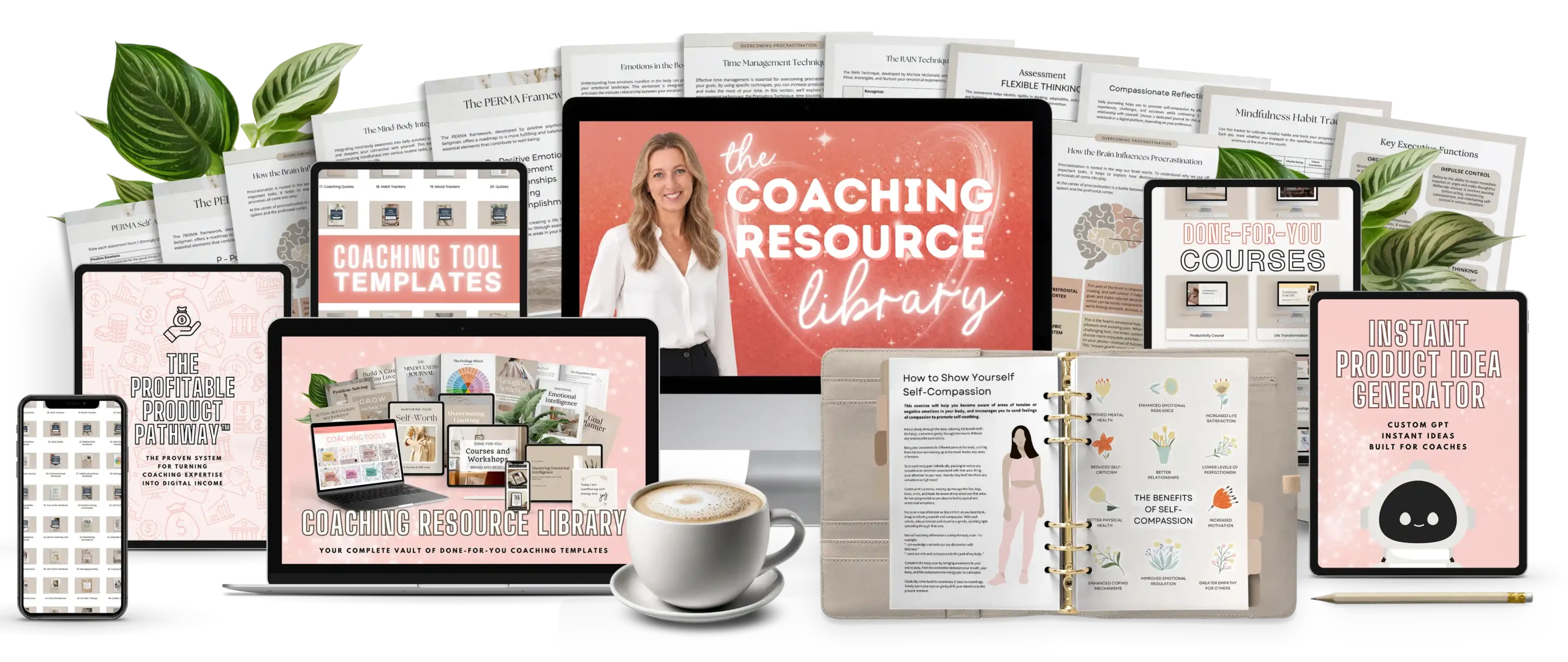
I’ve spent years creating coaching tools, workbooks, worksheets, exercises and resources for coaches to use with their clients.
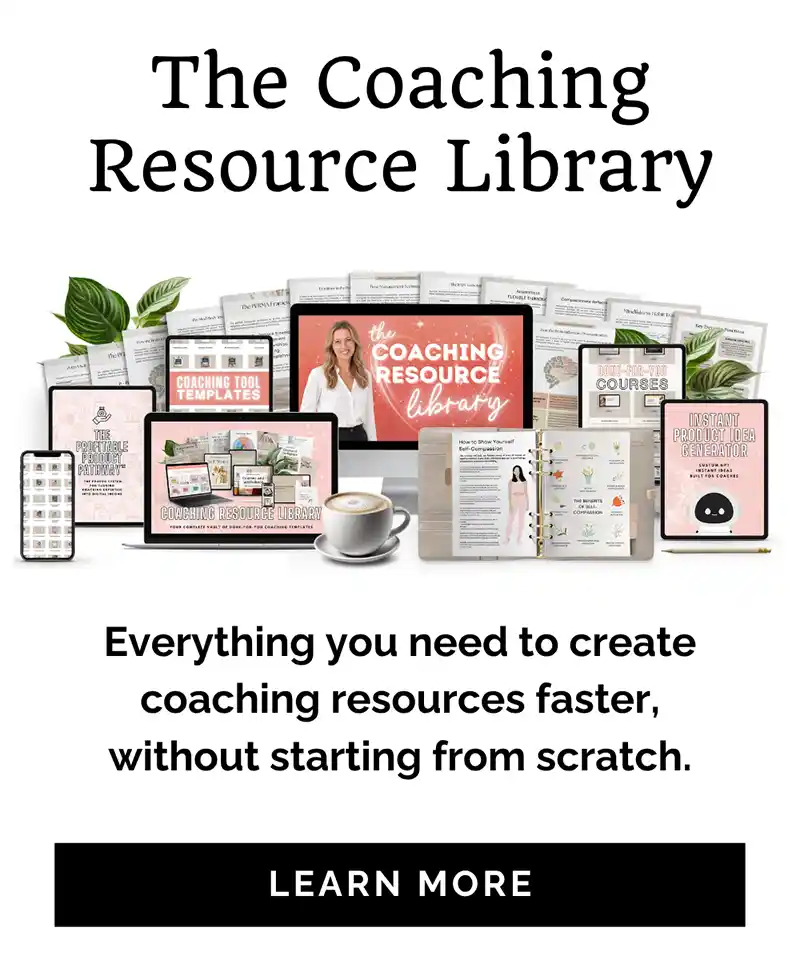
I’ve now brought them together inside my Coaching Resource Library.
You’ll find resources for confidence, self-discovery, goals, relationships, communication, mental health, gratitude, habits, wellbeing and many of the other areas that come up in coaching.
So when you need a coaching exercise, worksheet or workbook for a client, you can go to the library and find a resource that’s already been created for you.
Use them in your 1:1 coaching, add them to your coaching program, use them between sessions or choose the resources that fit the work you’re doing with each client.

Health & Wellness Workbook
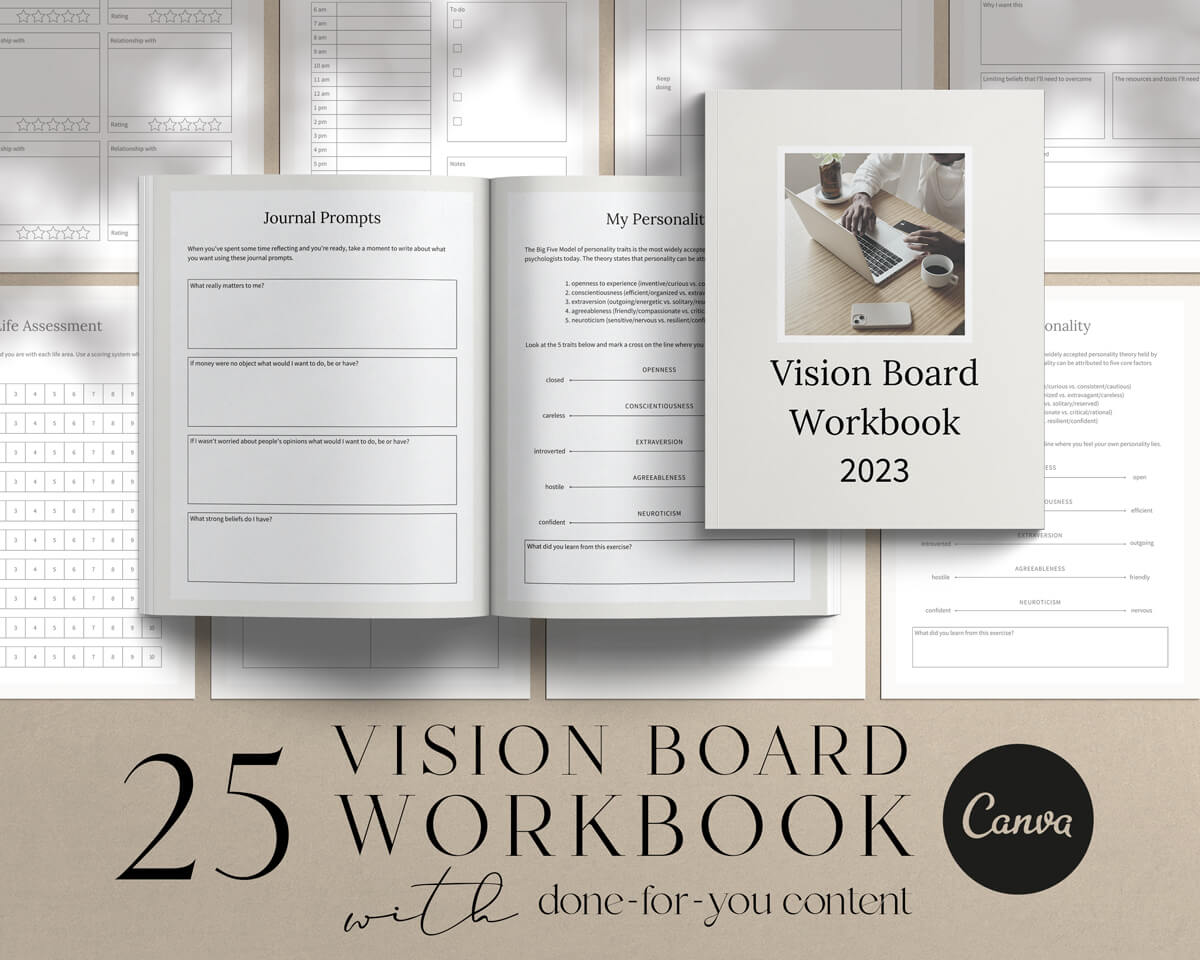
Vision Board Workbook

Boundaries Workbook

Happiness Workbook
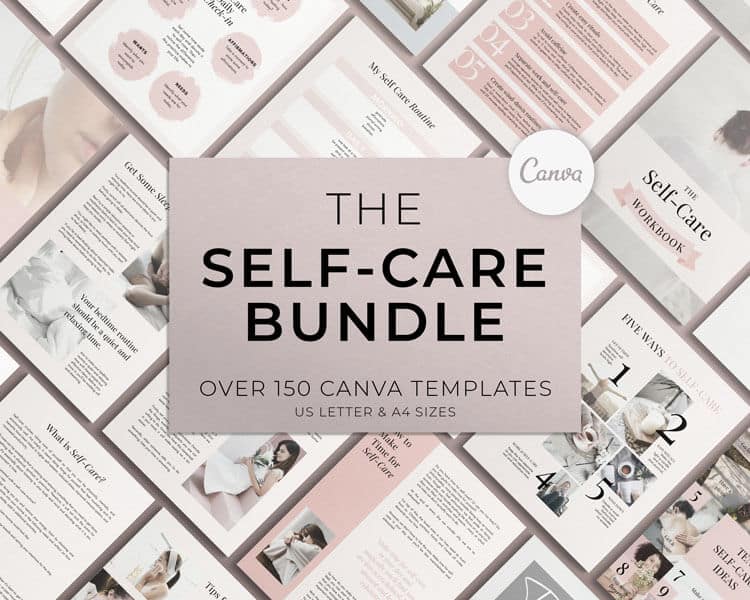
Self-Care Workbook

Gratitude Workbook
Enjoyed this post? You may also like…