12 Coaching Tools to Use With Your Clients
The right coaching tool can help your client explore what they want and turn a coaching conversation into something they can continue working on after the session.
Below are 12 coaching tools you can use in your 1:1 sessions, coaching programs, workshops and between-session work, with ideas for when and how to use each one.
I’ve also included links to ready-made resources where you can find the tools you need without creating everything yourself.
1. Wheel of Life
The Wheel of Life gives clients a simple visual way to look at different areas of their life at the same time. These might include health, relationships, career, finances, personal development and wellbeing.
Rather than looking at one issue in isolation, clients can see where things are going well and where they would most like to make changes.
Use this coaching tool when:
A client isn’t sure what they want to focus on, wants to review where they are now, or is ready to decide what they want to work on next.
How to use this coaching tool:
Ask your client to rate their satisfaction with each area of life. Look at the completed wheel together and explore which areas stand out. From there, you can choose priorities and turn them into coaching goals.
Ready-made resource:
You’ll find a ready-made Wheel of Life resource inside the Coaching Resource Library, ready to use with your clients.

Inside the Coaching Resource Library, you’ll find a Wheel of Life workbook as well as a done-for-you Wheel of Life course, ready for you to share with your clients.
2. The PERMA Framework
The PERMA Framework comes from positive psychology and the work of psychologist Martin Seligman. It explores five areas linked to wellbeing: Positive Emotion, Engagement, Relationships, Meaning and Accomplishment.
It gives clients a way to look beyond a single goal and consider the different things that contribute to a fulfilling life.
Use this coaching tool when:
A client wants to improve their wellbeing, explore what makes life fulfilling, or identify an area they would like to give more attention to.
How to use this coaching tool:
Work through each of the five PERMA areas with your client. Ask them to consider how satisfied they feel with each one and what they might like to change or develop.
Ready-made resource:
The PERMA Workbook is included in the Coaching Resource Library, so you can take your client through the framework without creating your own worksheets.

The PERMA Model helps clients evaluate their well-being across five key areas. Available inside the Coaching Resource Library, it can be added to programs or sold individually to support client growth.
3. Feelings Wheel
The Feelings Wheel helps clients put more specific words to what they are feeling.
Instead of stopping at broad emotions such as happy, sad or angry, they can explore the more precise emotions underneath them. This can help clients notice patterns, understand their responses and talk about their experiences in more detail.
Use this coaching tool when:
A client finds it difficult to describe how they feel, wants to understand their emotional responses, or is exploring patterns in how they react to situations.
How to use this coaching tool:
Start with the broad emotion your client recognises and work outwards through the wheel. Explore the words that feel most accurate and discuss what was happening when those emotions appeared.
Ready-made resource:
You’ll find the Feelings Wheel inside the Coaching Resource Library, ready to use during a session or give to a client for further reflection.
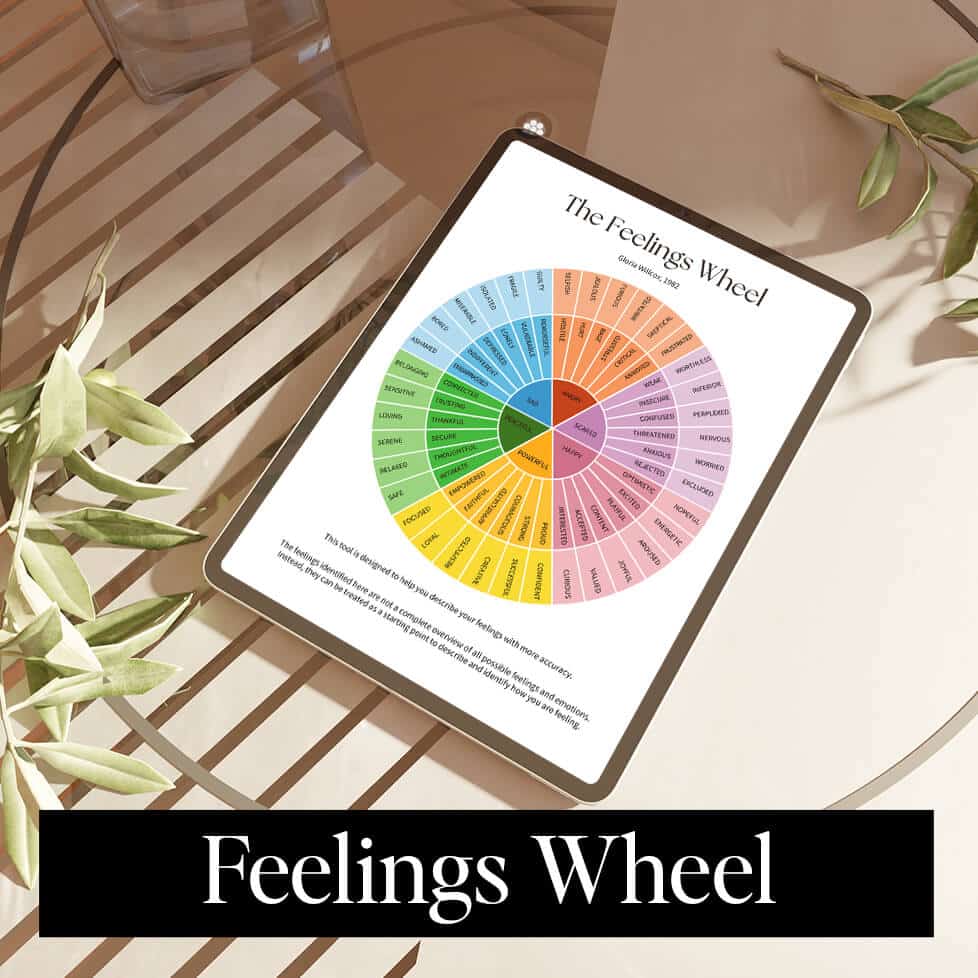
The Feelings Wheel enables clients to pinpoint and articulate their emotions. Found inside the Coaching Resource Library, it can be used during sessions, or assigned as homework.
4. The Tree of Life
The Tree of Life is a reflective coaching tool that helps clients explore the experiences, people, strengths and hopes that have shaped their lives.
Different parts of the tree represent different parts of the client’s story. For example, the roots might represent where they came from, while the branches can represent hopes and plans for the future.
Use this coaching tool when:
A client wants to understand themselves better, reflect on their life so far, recognise their strengths or think about where they want to go next.
How to use this coaching tool:
Invite your client to build their tree one section at a time. Rather than simply completing the page, use their answers as starting points for a deeper coaching conversation.
Ready-made resource:
The Tree of Life resource is included in the Coaching Resource Library, with everything you need to introduce the exercise to your clients.
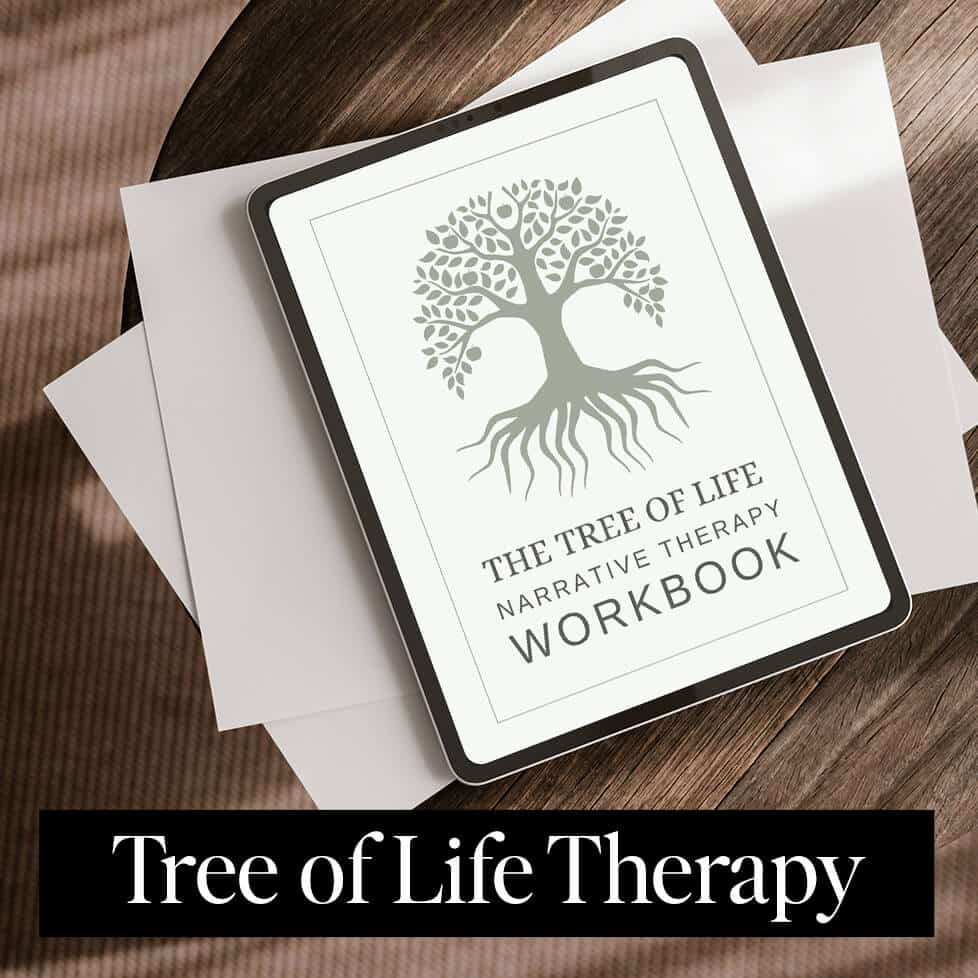
The Tree of Life helps clients reflect on their past, present, and future to gain deeper self-awareness. It’s available inside the Coaching Resource Library and can be used in therapy sessions, workshops, or sold as a stand-alone tool.
5. The GROW Model
The GROW Model gives you a simple structure for taking a client from an idea or challenge towards clear next steps.
GROW stands for Goal, Reality, Options and Way Forward.
It can be used as a complete structure for a coaching conversation or brought into a session when a client needs help deciding what to do next.
Use this coaching tool when:
A client has a goal they want to work towards, needs to explore their options, or wants to turn an idea into action.
How to use this coaching tool:
Start by defining what the client wants to achieve. Explore their current situation, consider the options available to them and finish by agreeing what they will do next.
Ready-made resource:
You’ll find a ready-to-use GROW Model coaching tool inside the Coaching Resource Library.
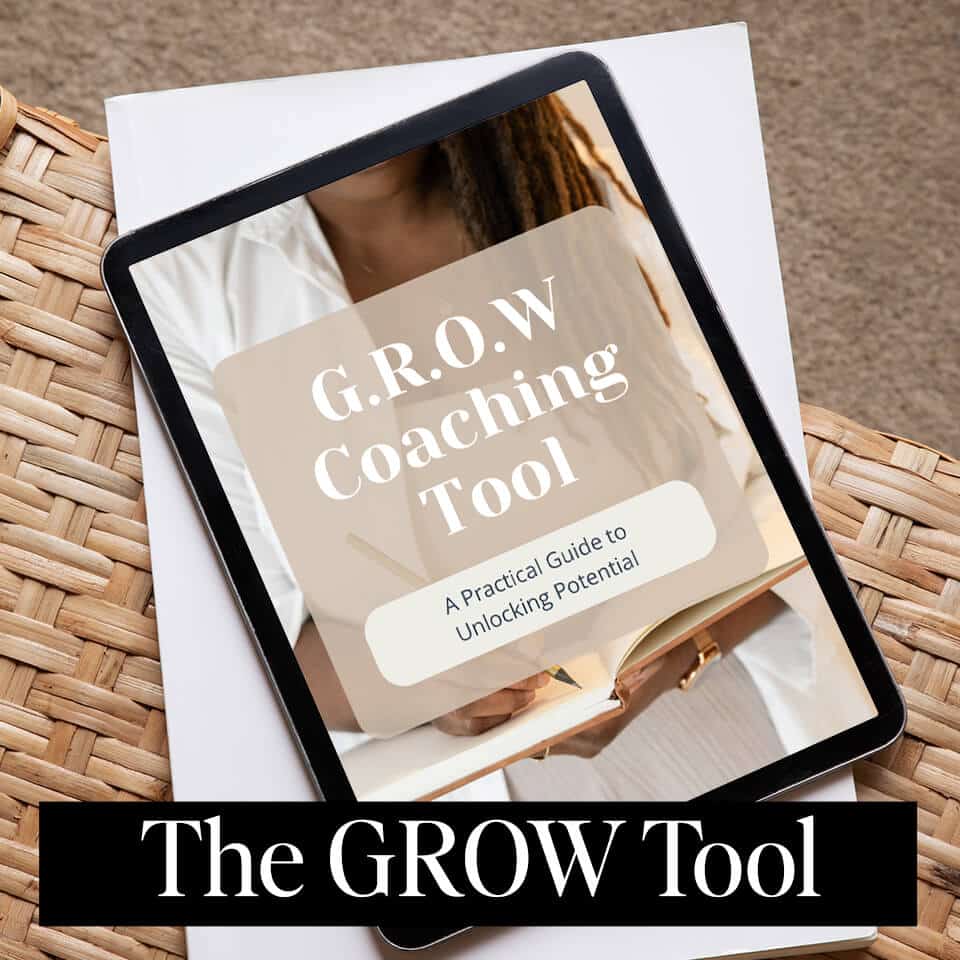
The GROW Model is a practical framework for goal-setting and problem-solving. Available inside the Coaching Resource Library, it can be integrated into coaching sessions or used to structure client programs.
6. Goal-Setting Tools
Goal-setting tools help clients turn something they would like to achieve into something they can actually work towards.
A structured worksheet can help them define the goal, decide what success will look like, identify the steps involved and track what happens along the way.
Use this coaching tool when:
A client knows what they want but needs help turning it into a plan, or when you want to add more structure and accountability to your coaching.
How to use this coaching tool:
Help your client define their goal first. Then break it into smaller actions, decide how progress will be measured and agree on the first step they will take.
Ready-made resource:
You’ll find goal-setting worksheets and exercises inside the Coaching Resource Library.

Use these Goal-Setting Tools to guide clients in creating SMART goals. Available in the Coaching Resource Library, they can be used in coaching, workshops, or sold separately to clients seeking clarity and focus.
7. The Life Map
A Life Map helps clients create a visual picture of important events, experiences and turning points in their lives.
Looking back across these experiences can help them recognise themes, influences, achievements and patterns that might be harder to see when each event is considered separately.
Use this coaching tool when:
A client is exploring their identity, reflecting on how past experiences have shaped them, or trying to understand patterns that appear at different points in their life.
How to use this coaching tool:
Ask your client to map important events along a timeline. Then explore what they notice. Which events changed their direction? Which themes appear more than once? What have they learned about themselves?
Ready-made resource:
The Life Map is available inside the Coaching Resource Library.
8. Gratitude Practice
Gratitude exercises encourage clients to deliberately notice and reflect on things they appreciate in their lives.
A gratitude practice can go further than simply writing down three good things. You can use different prompts and exercises to help clients explore people, experiences, opportunities and everyday moments they value.
Use this coaching tool when:
A client wants to develop a regular gratitude practice, pay more attention to positive experiences or explore what they value and appreciate.
How to use this coaching tool:
Choose a gratitude exercise that suits the client and encourage them to practise it regularly between sessions. You can then use your coaching sessions to explore what they have noticed.
Ready-made resource:
The Gratitude Vault gives you a collection of ready-made gratitude resources you can use with clients rather than creating your own. Available inside the Coaching Resource Library.
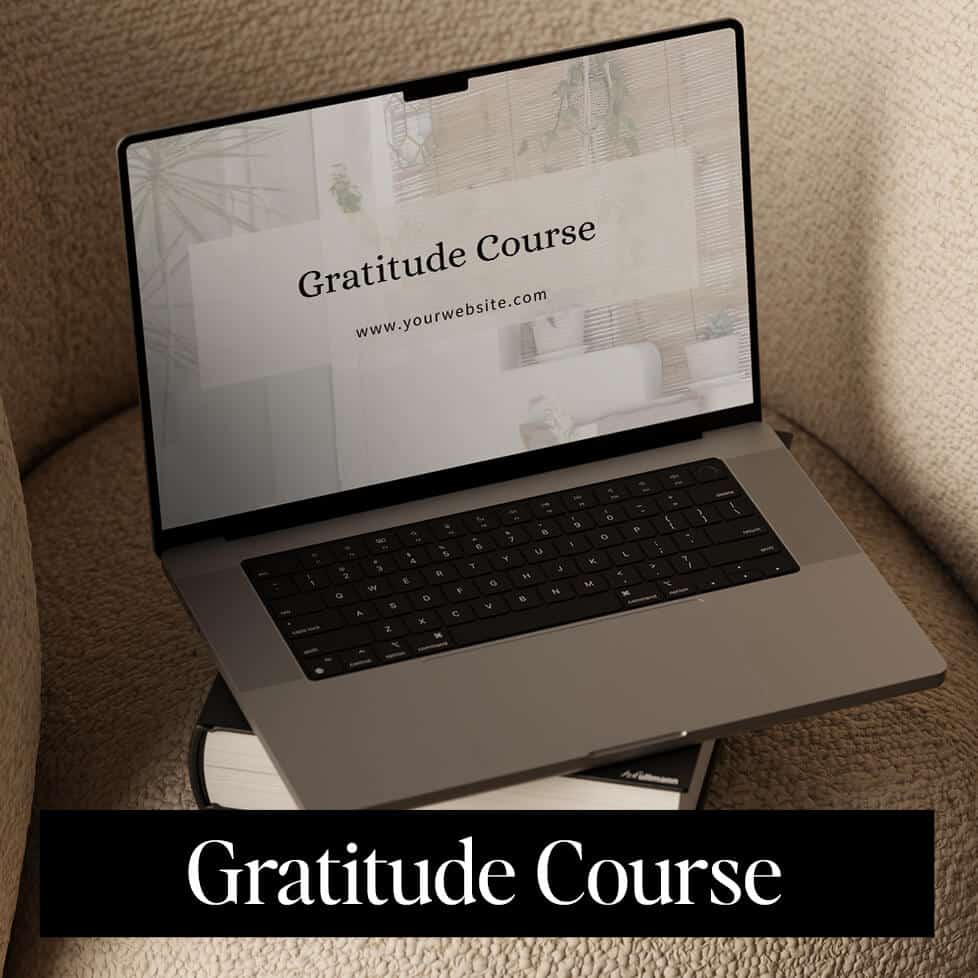
These Gratitude Practices help clients focus on the positive aspects of their lives. Available inside the Coaching Resource Room, they can be used in sessions, assigned as homework, or shared with clients as a stand-alone resource.
9. Managing Stress
Stress-management tools can help clients understand what contributes to their stress and explore practical ways to respond to it.
These might include identifying stressors, noticing physical and emotional signs of stress, exploring coping strategies, journaling or creating a personal stress-management plan.
Use this coaching tool when:
Stress is affecting a client’s routines, goals or everyday wellbeing and it falls within the scope of the coaching work you provide.
How to use this coaching tool:
Start by helping your client identify what contributes to their stress and how they tend to respond. You can then explore strategies they can try and create a plan that fits their circumstances.
Ready-made resource:
You’ll find Coping With Stress and other related resources inside the Coaching Resource Library.

Managing Stress Tools provide strategies for clients to handle stress and stay calm. Found in the Coaching Resource Library these tools can be integrated into sessions, sold as a resource, or given to clients as homework.
10. Mindfulness Techniques
Mindfulness tools help clients practise bringing their attention back to what is happening in the present moment.
Exercises might include mindful breathing, observation, body awareness, grounding or short guided practices.
They can be useful additions to coaching because they give clients something practical they can continue using outside their sessions.
Use this coaching tool when:
A client wants to become more aware of their thoughts and responses, practise being present or introduce mindfulness into their everyday routine.
How to use this coaching tool:
Introduce one simple technique at a time and practise it together where appropriate. Your client can then experiment with using it between sessions and reflect on what they notice.
Ready-made resource:
You’ll find mindfulness exercises and client resources inside the Coaching Resource Library.
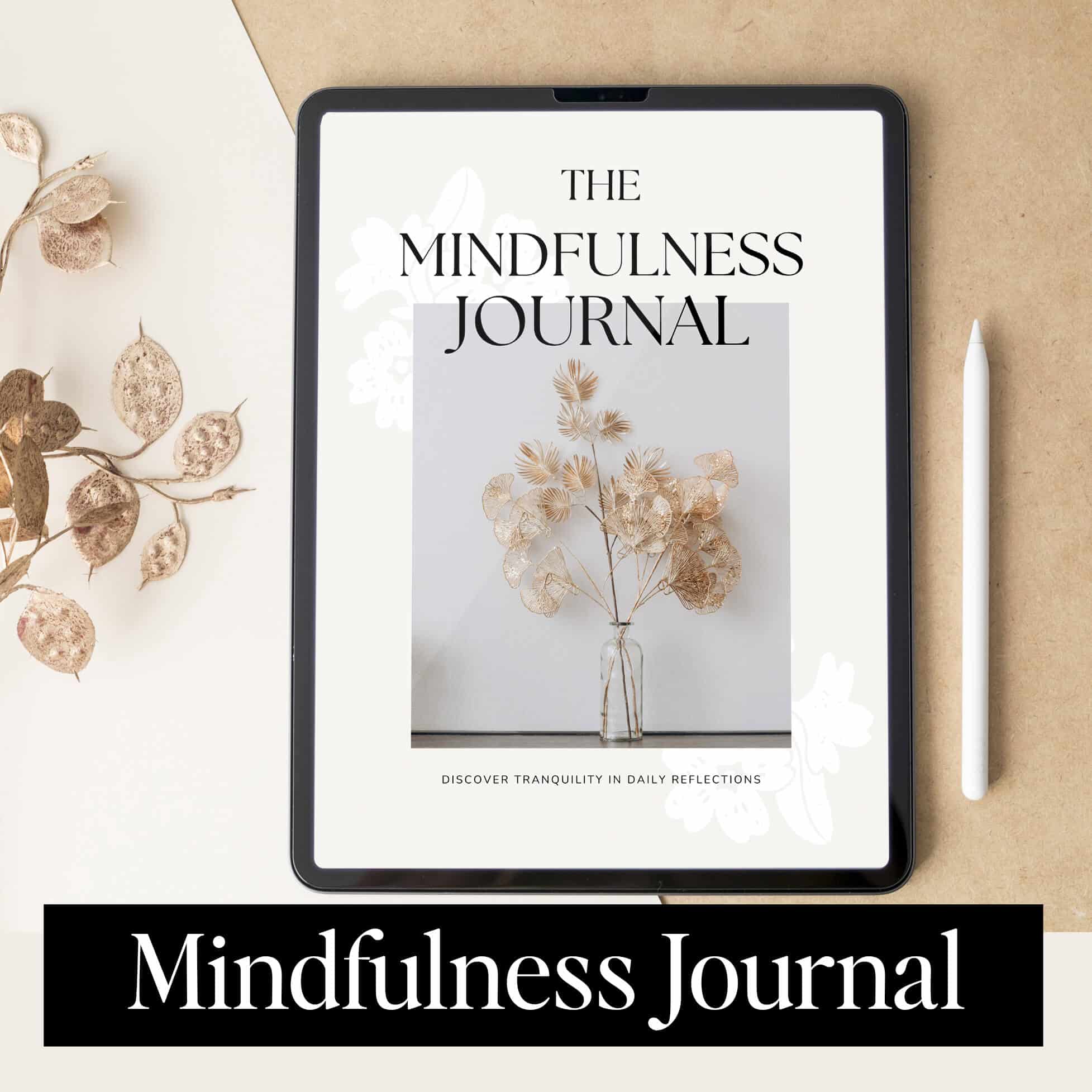
These Mindfulness Techniques guide clients in staying present and managing their thoughts. Available inside the Coaching Resource Library, they can be used in sessions, sold separately, or shared as homework.
11. Daily Habit Trackers
A Daily Habit Tracker gives clients a simple way to record the behaviours they want to practise regularly.
It turns progress into something they can see. Instead of relying on memory, clients can look back at what they actually did and explore what helped them stay consistent.
Use this coaching tool when:
A client is developing a new habit, changing a routine or working towards a goal that depends on regular action.
How to use this coaching tool:
Help your client choose the behaviour they want to track and decide how often they want to do it. Review the tracker together during future sessions and use it to explore what is helping or getting in the way.
Ready-made resource:
You’ll find habit-building and tracking resources inside the Coaching Resource Library.
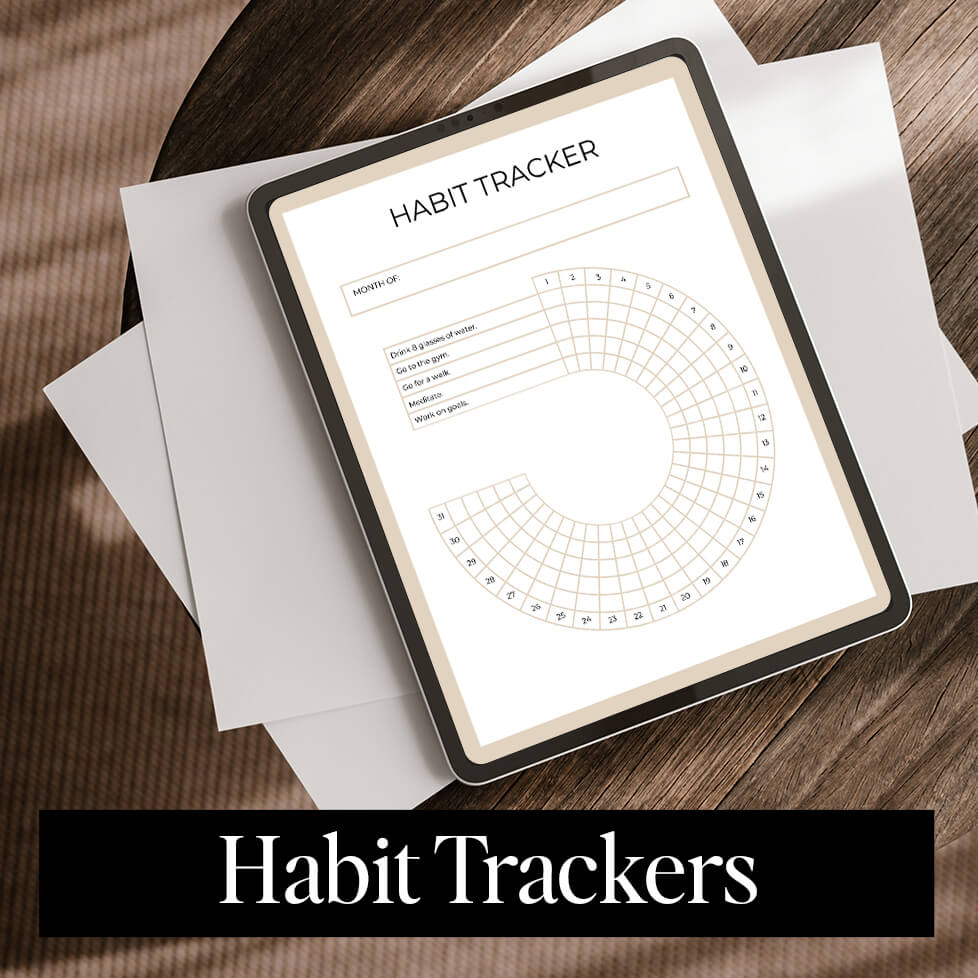
The Daily Habits Tracker helps clients build and track positive habits. Found in the Coaching Resource Library, it can be added to coaching programs, sold as a tool, or used as homework to encourage accountability.
12. Core Values Assessment
A Core Values Assessment helps clients explore the principles and priorities that matter most to them.
Values can provide a useful reference point when clients are making decisions, setting goals or considering changes. They can ask whether the direction they are taking fits with what they have identified as important.
Use this coaching tool when:
A client is making an important decision, exploring what they want, setting goals or trying to understand what matters most to them.
How to use this coaching tool:
Help your client explore a range of possible values and narrow them down to those that feel most important. Then look at how those values currently show up in their life, work, relationships and goals.
Ready-made resource:
You’ll find the Core Values resource inside the Coaching Resource Library.
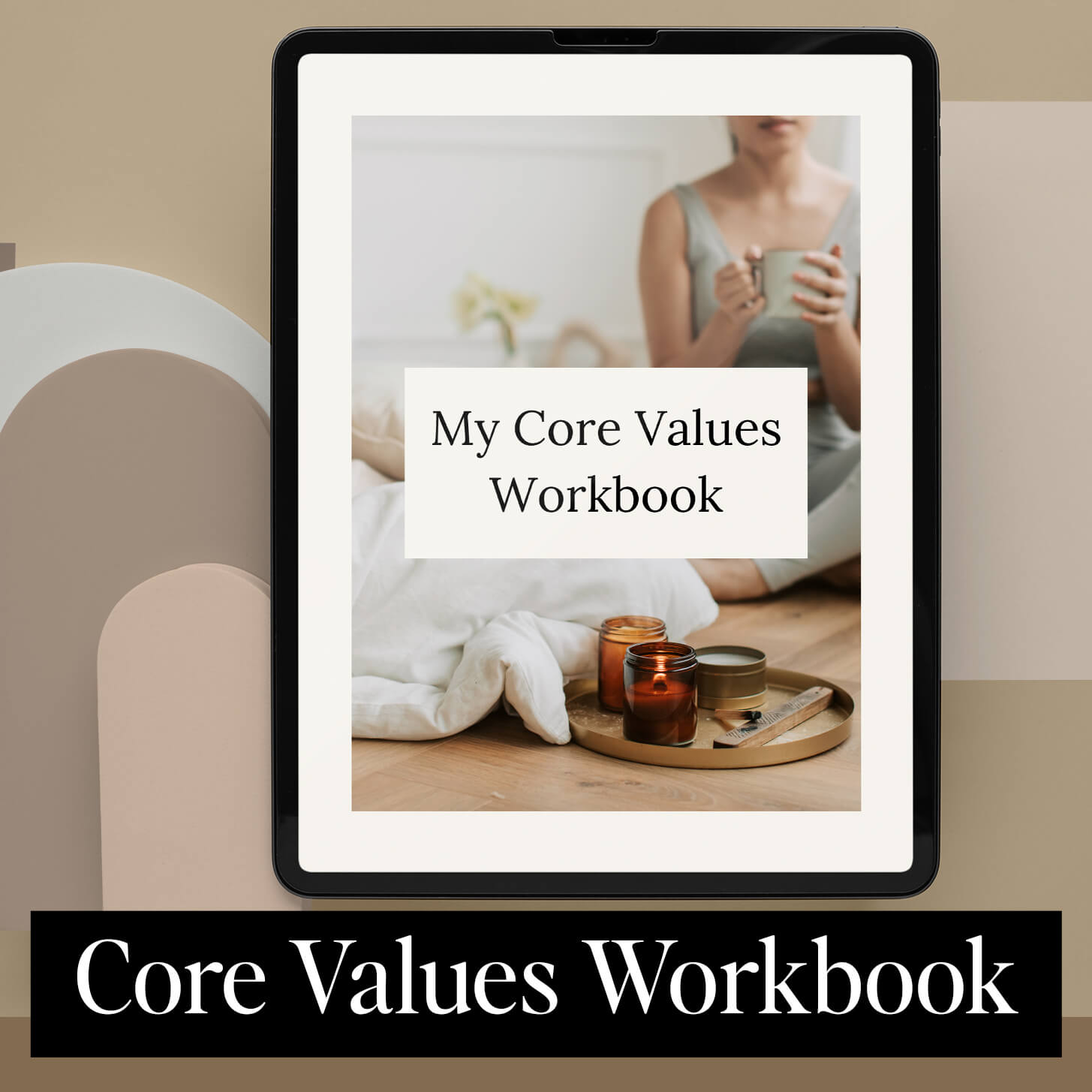
This Core Values Exploration tool helps clients align their decisions with their true values. Available inside the Coaching Resource Library, it can be used in sessions, as part of a program, or shared as a stand-alone resource.
Want More Coaching Tools Ready to Use With Your Clients?
The Coaching Resource Library gives you a complete collection of ready-made resources for the topics your clients bring to coaching, from goals, confidence and self-discovery to habits, relationships, stress, wellbeing and more.
Use them in your 1:1 sessions, add them to your coaching programs, or give clients resources to work through between sessions.
Everything has already been created for you, so when a client needs something, you can simply find the right resource and use it.
Created specifically for coaches by a psychologist, the library brings together hundreds of coaching tools, worksheets, exercises, workbooks and resources in one place.
One payment. Lifetime access. Ready whenever you need it.
Enjoyed this post? You may also like…